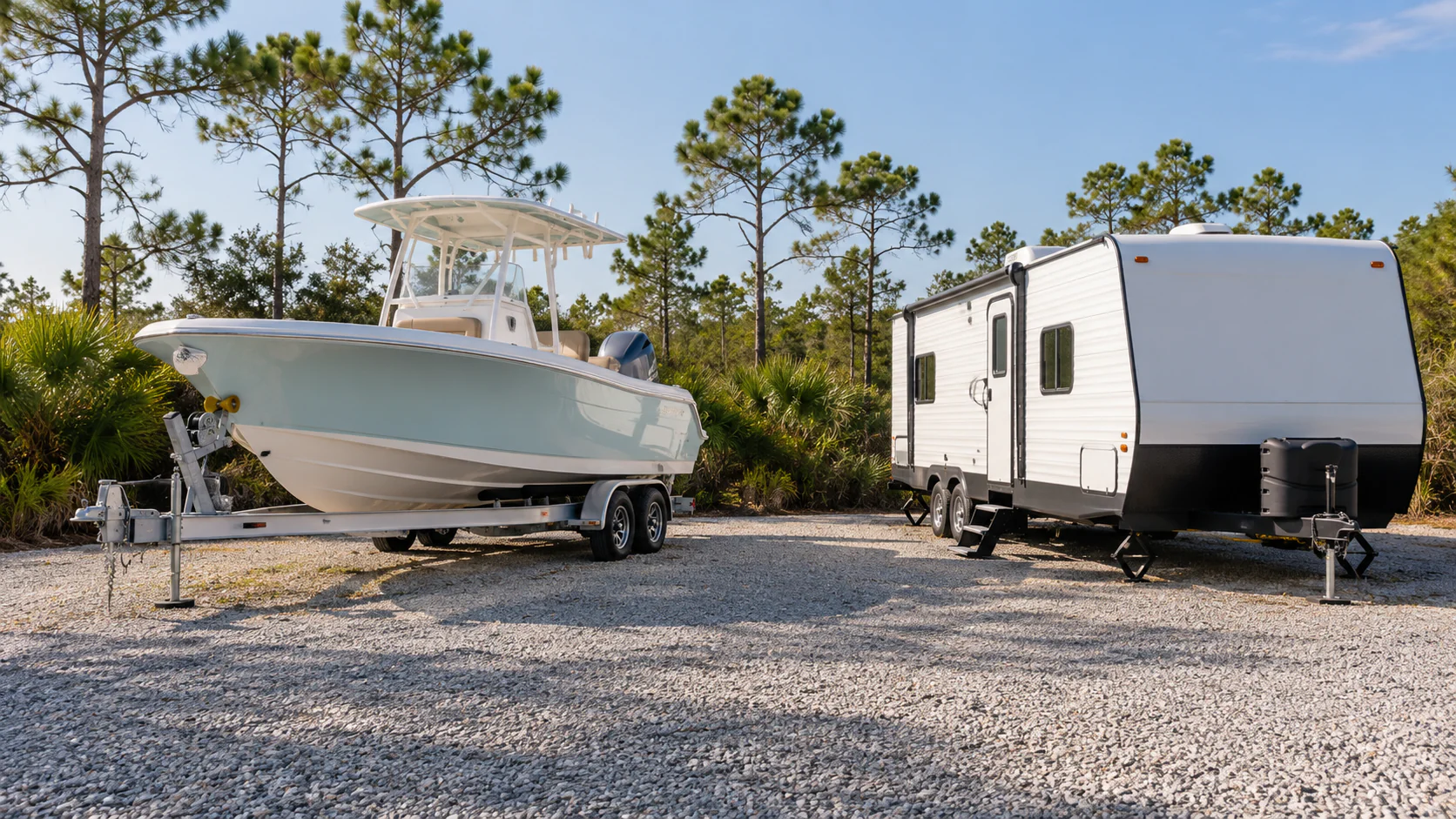
A longer campground stay changes the questions you need to ask. A weekend might revolve around one beach outing and a few meals. Extended stay RV camping also brings laundry, deliveries, maintenance, and an everyday routine into the picture.
The Inlet at Lanier Pointe provides an extended-stay inquiry option. Start with your preferred dates and the RV you plan to bring, then work through the arrangements that will make the stay practical for your household.
Begin With Availability and the Application Process
Review the long-term camping information on our rates page and use the extended-stay inquiry link to discuss your plans. An inquiry is the beginning of the process, not confirmation of a site.
Ask about eligibility, any application requirements, minimum or maximum stay lengths, and what happens if your dates change. Confirm whether an extension requires a separate approval or reservation.
Avoid relying on an old seasonal promotion when estimating what is available now. Obtain current terms for the dates you actually need.
Request a Complete Cost Explanation
Ask what the quoted accommodation charge includes and whether utilities, deposits, or other fees are separate. Clarify payment dates and the period covered by each payment.
Build a personal budget around groceries, transportation, insurance, laundry, propane, and recreation as applicable. Your normal bills elsewhere may continue during the visit too.
For a fair comparison, use the total expected cost rather than dividing an advertised starting price by the number of nights you hope to stay.
Check the Amenities You Will Use Regularly
Our amenities page lists practical facilities including laundry, a bathhouse, a camp store, and on-site propane. Ask about current access, service arrangements, and charges for anything central to your routine.
If you need a particular internet setup for work or another obligation, investigate it separately before committing. Do not assume a campground connection will meet every technical requirement.
Think about ordinary errands as well as recreation. Identify the stores and services you are likely to use so the first week does not become a series of last-minute searches.
Make a Plan for Mail and Packages
Ask the campground whether it accepts letters or deliveries before using its address. Clarify any limits and how items should be addressed if the service is available.
The USPS mail-forwarding guide explains temporary and permanent arrangements. Choose the option suited to your situation and notify important senders directly where necessary.
Keep sensitive documents and essential items accessible. A longer stay is easier when paperwork, medication, and travel information have a consistent place inside the RV.
Keep the RV Ready Throughout the Stay
Follow the maintenance schedule and operating instructions for your equipment. Inspect accessible areas regularly, and arrange qualified help when a problem needs more than a routine check.
Our coastal RV maintenance guide discusses the additional attention a salt-air setting can require. Confirm any campground restrictions before doing work on the site.
Ask about severe-weather procedures and keep a workable departure plan. Extended stay RV camping should not leave the vehicle so surrounded by belongings that preparing to travel becomes difficult.
Give the Week Some Structure and Some Space
Choose regular times for household tasks, then leave room for the coast. A short outing can feel more relaxing when it is not competing with an overflowing laundry bag or unfinished errand.
You can use our Soundside Park guide for one manageable local visit.
Contact The Inlet with your dates and needs to begin planning extended stay RV camping. Confirm the practical arrangements first so the time you spend here can settle into a comfortable routine.